
Validation
Live field validation in Austin.
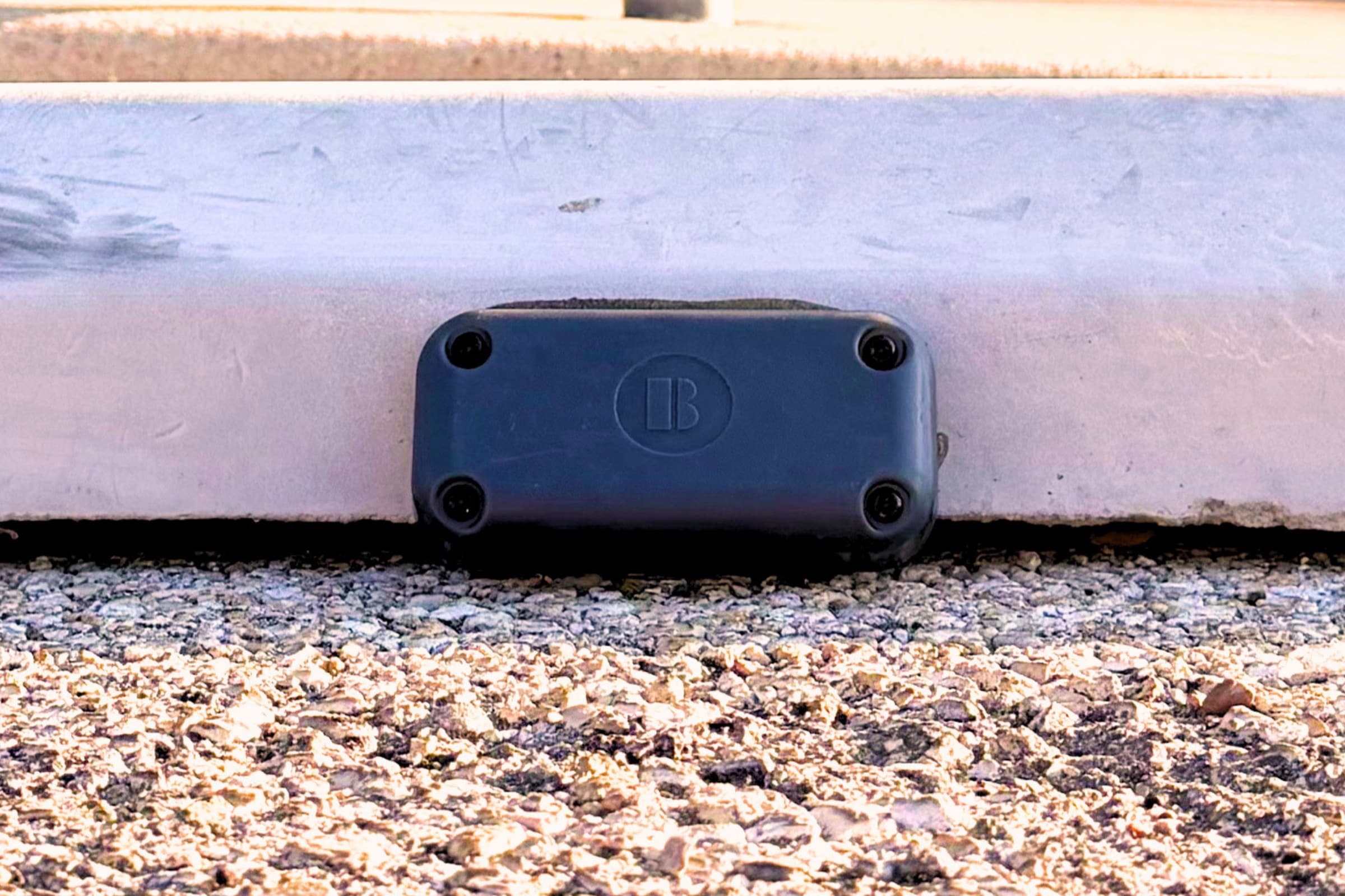
A three-sensor deployment is running in Austin, Texas. This page shows what it is producing, how the numbers are defined, and what the deployment has not established yet.
Current field deployment
- Site
- Austin field site
- Location
- Austin, Texas
- Started
- September 1, 2026
- Running for
- Day 3 of 31
- Monitored spaces
- 3
- Space types
- Regular, pickup and ADA
The deployment runs on private property with the owner’s permission. We keep the host and the exact location off this page. Nobody pays for the sensors that are there; they are up so we can test them in the open.
Public live data
A read-only view of the running deployment. Select a space to see its current state, how long it has held it, and how it has been used since the deployment started.
This is a sanitized public feed. Hardware identifiers, radio telemetry, addresses and the operator dashboard are not part of it.
Space 1
Regular space
Which spaces are occupied or vacant right now, and whether each sensor is reporting.
| Space | Type | State | Sensor |
|---|---|---|---|
| Space 1 | Regular | Vacant | Reporting |
| Space 2 | Pickup | Occupied | Reporting |
| Space 3 | ADA | Vacant | Reporting |
Figures cover the observed window at the field site. Nothing here identifies the location or the hardware.
Showing all spacesRates cover the last 2 days at the Austin field site.
Accuracy validation
An accuracy check-in is a person at the site recording what they can see in each monitored space at a given moment. The platform stores the state it was reporting for that space at that same moment, and whether the two agreed.
The denominator is validated stall observations, never visits. One check-in covering three spaces produces three observations.
- Check-ins
- 1On-site verification visits
- Validated observations
- 3One per space, per check-in
- Matches
- 2System agreed with the observer
- Mismatches
- 1System disagreed with the observer
Observed detection accuracy
66.7%
2 of 3 validated observations
System performance
- Sensors reporting
- 3 of 3Checked in on schedule
- Sensors down
- 0None currently offline
- Occupancy events
- 321Recorded in the last 2 days
- Last event
- 6:34 PM CDTSite local time
- History behind this
- last 2 daysCapped at 7 days once there is more
There is no uptime percentage on this page yet. A few days of history is too little for that number to mean anything.
Definitions
These are the same definitions the platform uses to produce a period report, stated the same way.
- Occupancy rate
- Occupied duration divided by observable duration.
- Dwell
- Duration of one completed occupancy session.
- Average dwell
- Mean duration of completed occupancy sessions.
- Turnover
- Completed occupancy sessions divided by observed stall-days.
- Vacancy duration
- Time between occupancy sessions.
- Detection accuracy
- Matching validated stall observations divided by all validated stall observations.
What this does not establish
A deployment that has been running for days is early evidence. Read it that way.
- Occupancy calculations begin when a stored state is known. A space contributes nothing to a rate for any period before its first recorded reading.
- Open sessions are excluded from completed-session dwell averages, so a vehicle that is still in a space does not pull the average down.
- A short deployment produces a small sample. The figures here describe three spaces at one site over one period.
- Adjacent vehicles, nearby metal, mixed vehicle types, weather and real-world radio conditions are all known hard cases for this kind of sensing. Structured field validation is how we find out how they behave here.
Watch it, then scope one.
If the evidence here is the kind you would want from your own site, the next step is deciding which spaces would have to be measured to settle the question.